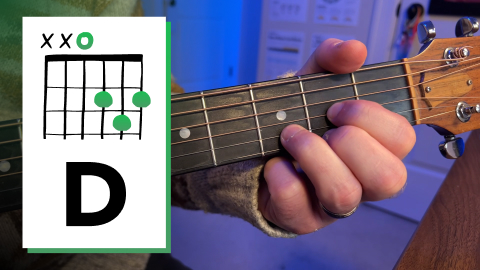
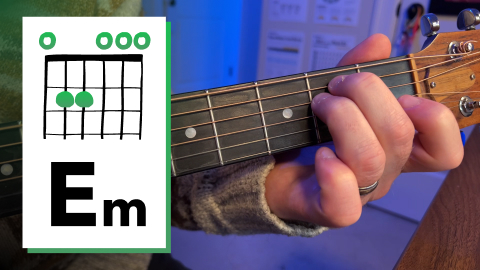
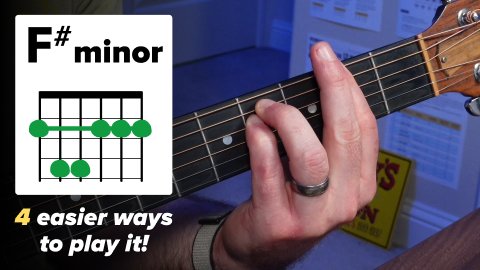
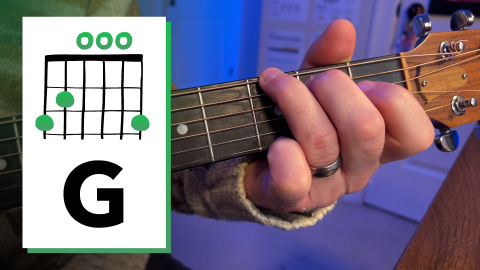
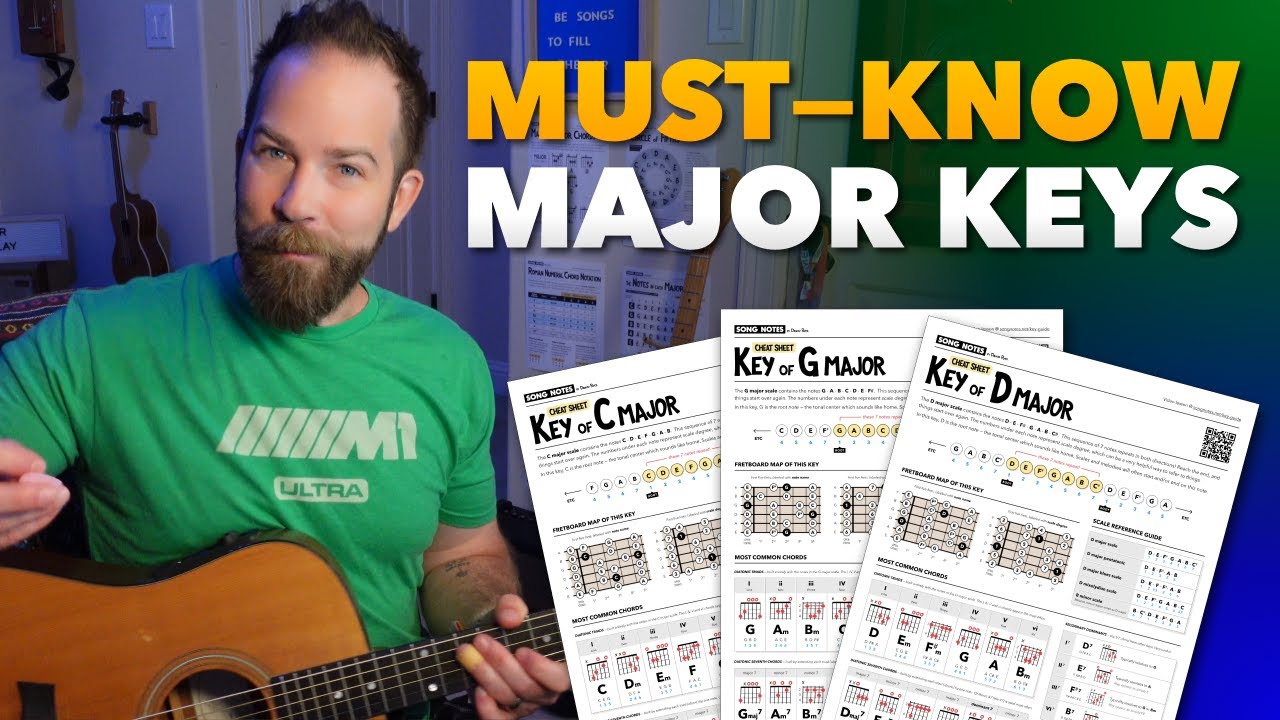
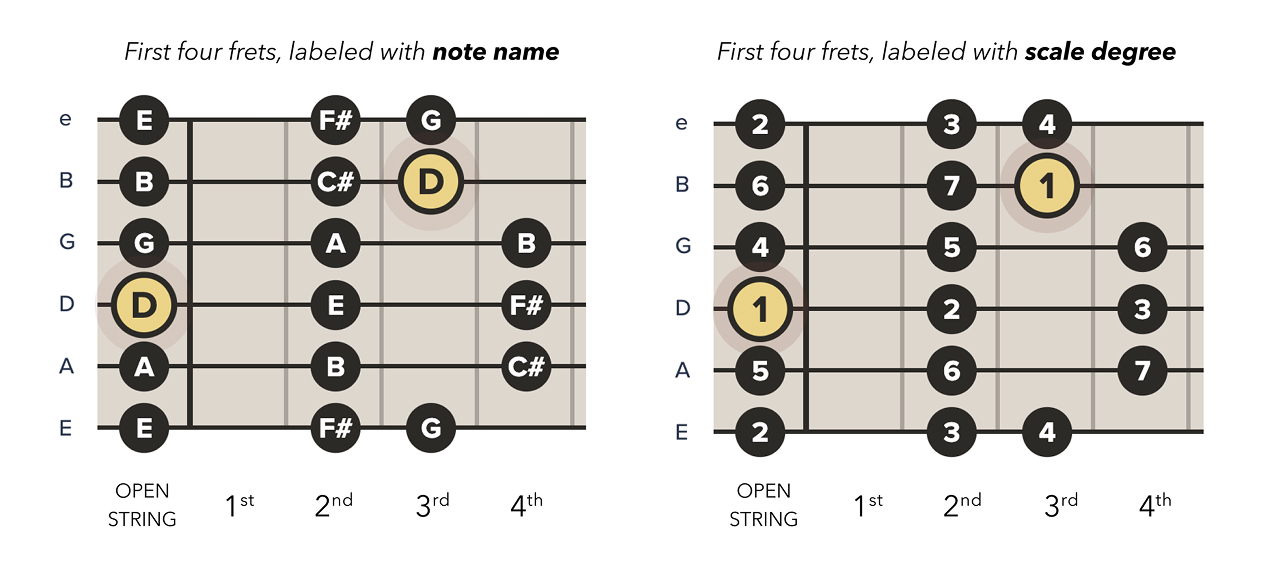
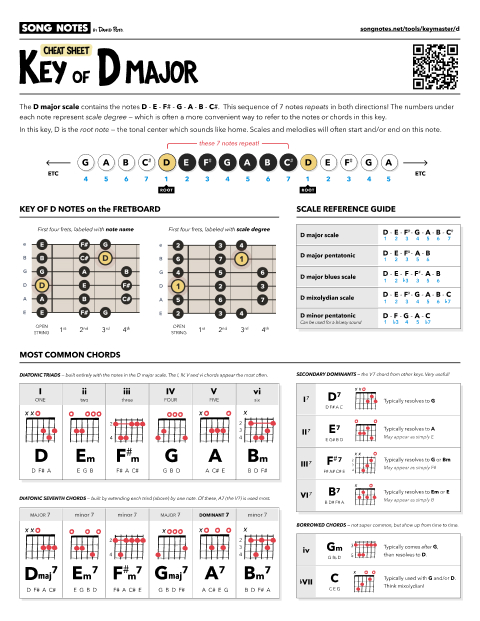
In the Key of D major, the 7 notes are D E F♯ G A B C♯ — where D is our root note. From low to high, the notes are ordered as follows. The numbers below each note are the scale degree — which count up to 7, and then start over again at 1.
On the first few frets of the guitar, here's where you can find these notes. To view these on an interactive fretboard, check out my FretMonster web tool »
Here's the six chords you'll use most often in this key. These chords are called diatonic triads – meaning they're built 100% using the notes in this key, and they each have 3 notes. Below each chord is a Roman numeral representing the scale degree (number) of each chord.
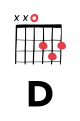
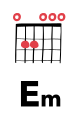
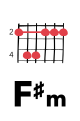
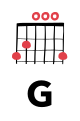
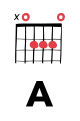
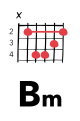
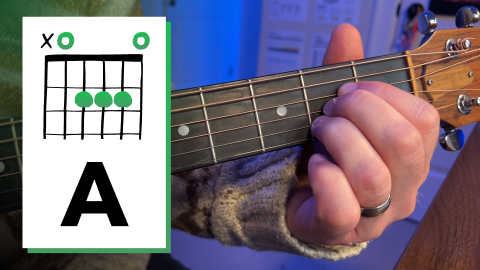
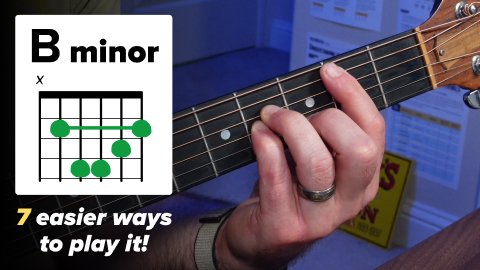
If you need help learning any of the chords above, here's videos I have teaching them:
Each chord above can be extended by one additional note, giving us diatonic seventh chords. These four-note chords have an extra layer of flavor in their sound. Of these, the dominant seventh (built on the V chord) is the most common — as it almost always resolves back to the I chord. Click on any chord below to see how it sounds!
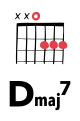
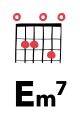
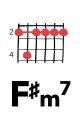
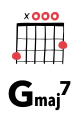
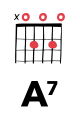
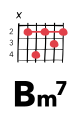
Here's a handful example progressions using the chords in this key. In all the examples below, notice the I chord feels sturdy, grounded, and like home — leaving our ear at ease. Even if we play these same progressions in a different key (using different chords), the I in each key has this same quality.
The so-called "1950s Progression," used in songs like Earth Angel and Unchained Melody and Last Kiss and so many others — can be played in this key with the following chords:
Learnin' to Fly by Tom Petty, which is normally played in the Key of C, can be played in this key with the following chords:
Brown Eyed Girl by Van Morrison, which is normally played in the Key of G, can be played in this key with the following chords:
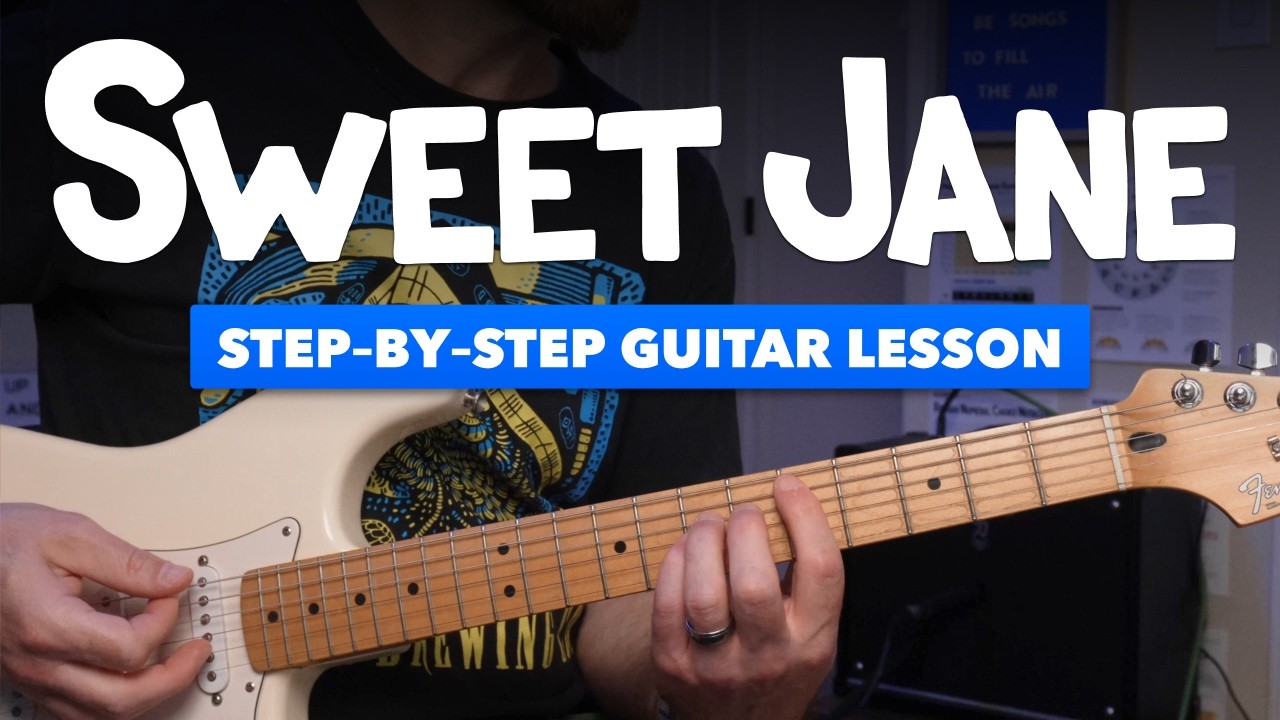
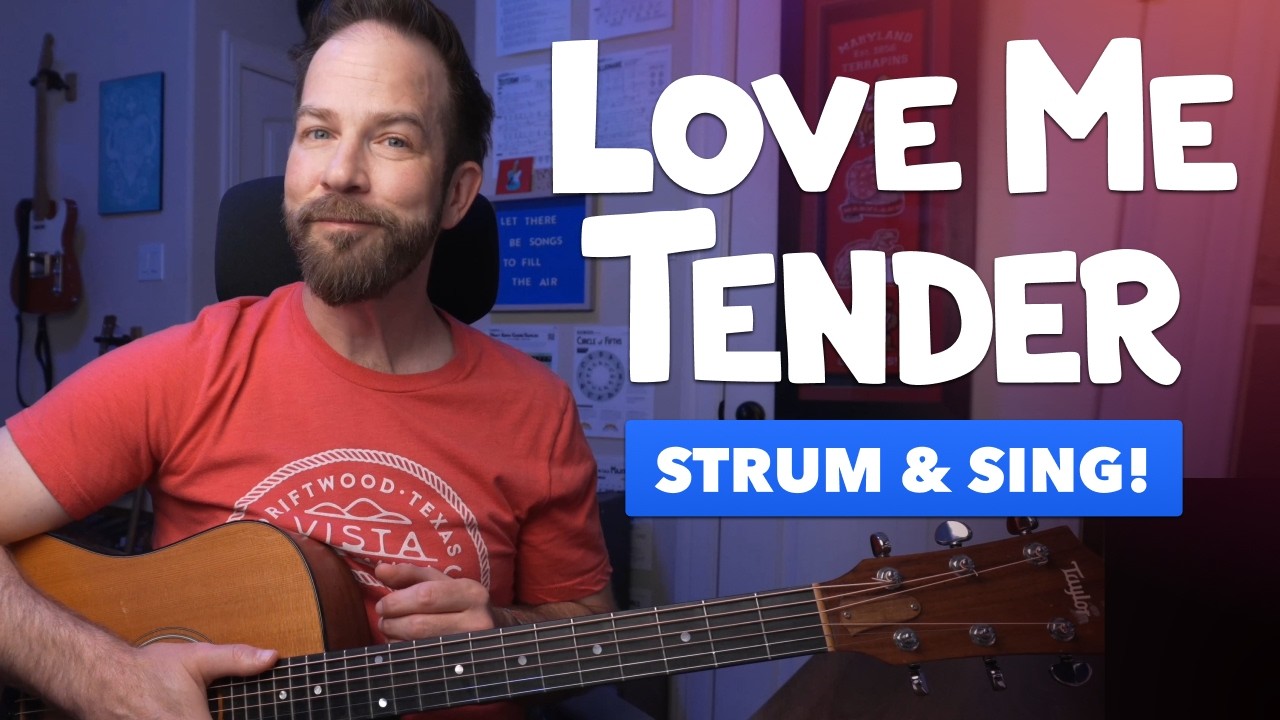
Here's all the lessons I've made for songs in this key. Click any link below to view my video lesson and any other resources I have available for that song. All the song sheets I've made (indicated with a blue badge below) are licensed and available for individual purchase.

Here's all the additional lessons I've made that involve playing in this key. Instructional PDFs are available for most of these tutorials – which can be download by Premium members here on this Song Notes website.
 Premium
 VIP
VIP Beta Tester